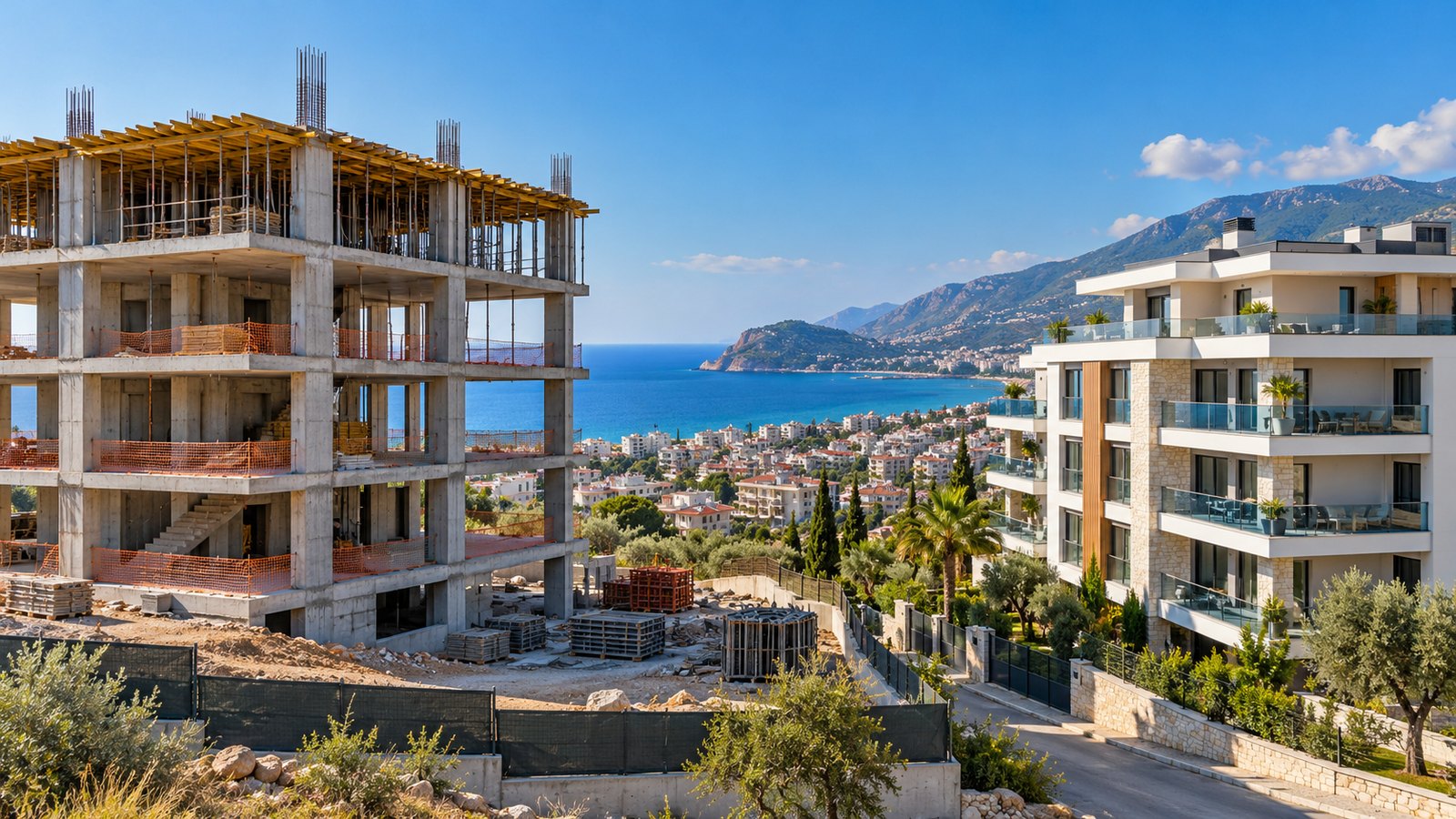

Property listings often use terms such as kat irtifakı, kat mülkiyeti and iskan as if they were a complete quality rating. They are not. They refer to different legal or administrative records, and a buyer should check what is actually registered for the specific independent unit.
Read the title record and the building file together
Ask the land-registry office or an independent lawyer to explain the title category, unit number, land share, registered rights and any annotations. Request the relevant occupancy or building-use documentation from the seller and, where appropriate, the municipality. Do not assume that one term on a listing proves that every alteration is approved or that the building meets your intended use.
Compare the built unit with the approved plans and the condominium management documents. An architect or engineer can inspect physical condition and visible alterations; a title specialist can check ownership and registered restrictions. The official starting point for records and transaction questions is the TKGM FAQ.
Make the check specific to the property
Write down questions about the apartment, parking, storage, shared spaces, building use and outstanding works. Ask which authority holds each document and obtain it before paying a non-refundable deposit. If the file is incomplete, pause and get qualified advice instead of inferring safety or completion from the building's appearance.
Use this with the foreign-buyer due-diligence checklist and prepare the title-deed appointment documents after the record is clear.
Continue this practical series with the previous guide and the next guide.
Rules and procedures may change. Confirm the requirements for your own case with the responsible authority or a qualified local professional before acting.